- Walk into a well-run hospital and the air feels different — controlled, clean, consistent. This is not an accident. It is the result of an HVAC system engineered to standards that no other building type has to meet.
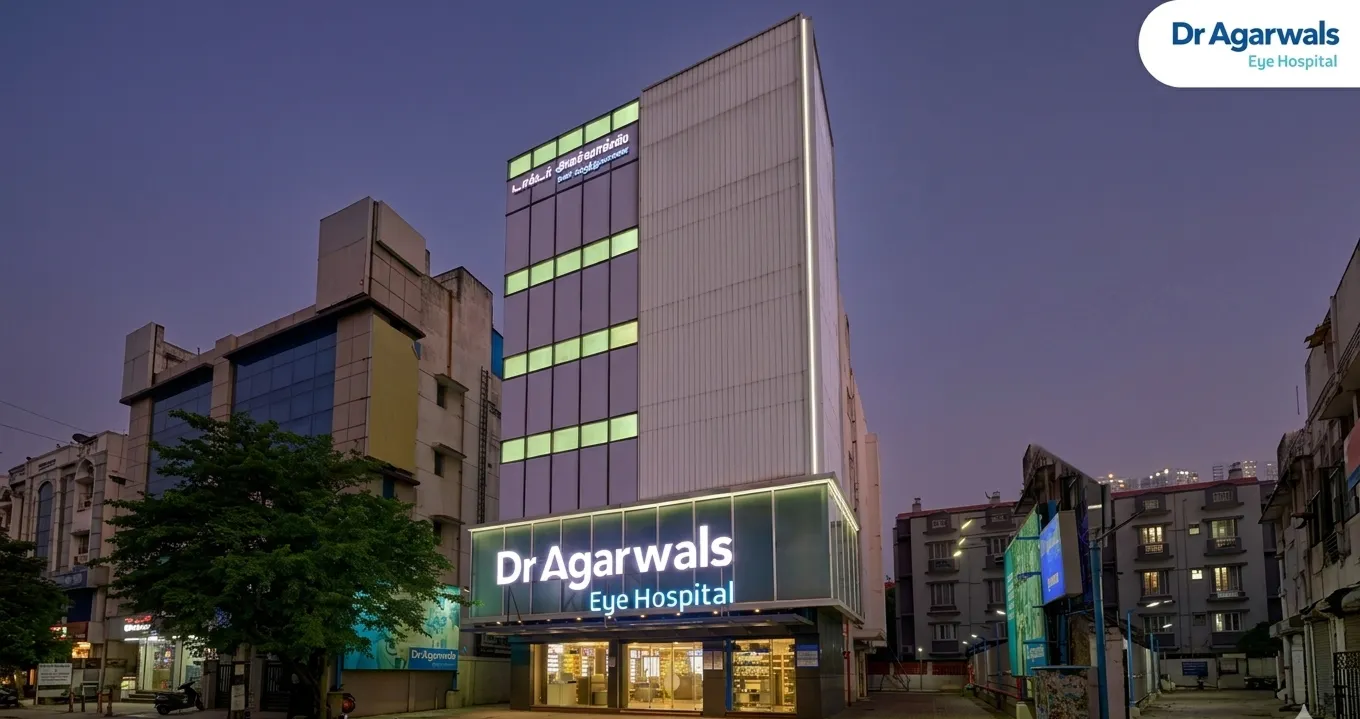
- SVAC has executed healthcare HVAC across Rela Hospital, Kavery Hospital (Chennai and Trichy), Agarwal Hospital Nungambakkam, and MIOT International Hospital.
-
Healthcare HVAC has three requirements that don't apply elsewhere:
Air quality, temperature stability, and pressure control. -
Air quality:
Operation theatres, ICUs, and isolation wards require HEPA filtration, controlled air change rates, and precise humidity management — not just dust filtering. AHUs in clinical spaces are specified to prevent airborne pathogen transmission. -
Temperature stability:
Many medical processes and patient conditions require specific temperature ranges maintained continuously — not subject to the cycling behaviour of an under-specified system. Hospital chillers must be designed for continuous operation with redundancy. -
Pressure control:
Operation theatres operate at positive pressure (prevent contamination entering), while isolation wards operate at negative pressure (prevent contaminated air leaving). Getting this wrong is not an HVAC issue — it is an infection control failure. - Healthcare HVAC requirements cannot be learned on the job of a hospital installation. They require prior experience with clinical standards, relevant guidelines, and the engineering judgment to translate those standards into design decisions.
- SVAC's healthcare portfolio across Tamil Nadu has strengthened this capability with each project — making every new installation more accurate and reliable.
-
Key facts:
Projects — Rela, Kavery (2 cities), Agarwal, MIOT
Systems — AHU, VRV, Chiller
Approach — Load calculation and system design before specification -
Planning HVAC for a healthcare facility?
Talk to a team with proven clinical environment experience.